Aproximaciones
Aproximaciones
Location: CAC Málaga
Year: 2023
“Our destination is never a place, but a new way of seeing things”
Henry Miller
When an airplane approaches a city, it must establish communication with the control tower; for most of us, this goes unnoticed, but not for María Egea.
Let’s take a look back. In literature, the travel journal dates back several centuries. It is well known that famous historical figures left notes on their daily experiences in a wide variety of styles. Of course, not all of them recounted great discoveries as Columbus did; naturalists, pilgrims, and ordinary travelers also kept such journals. The golden age of the genre is undoubtedly the 19th century; however, painting would inherit from this type of literature an interest in describing travel destinations beforehand, since in the 17th century many descriptions were labeled as “picturesque,” and somewhat later, painters began to be recognized as the only ones capable of representing the value of the sublime in nature.
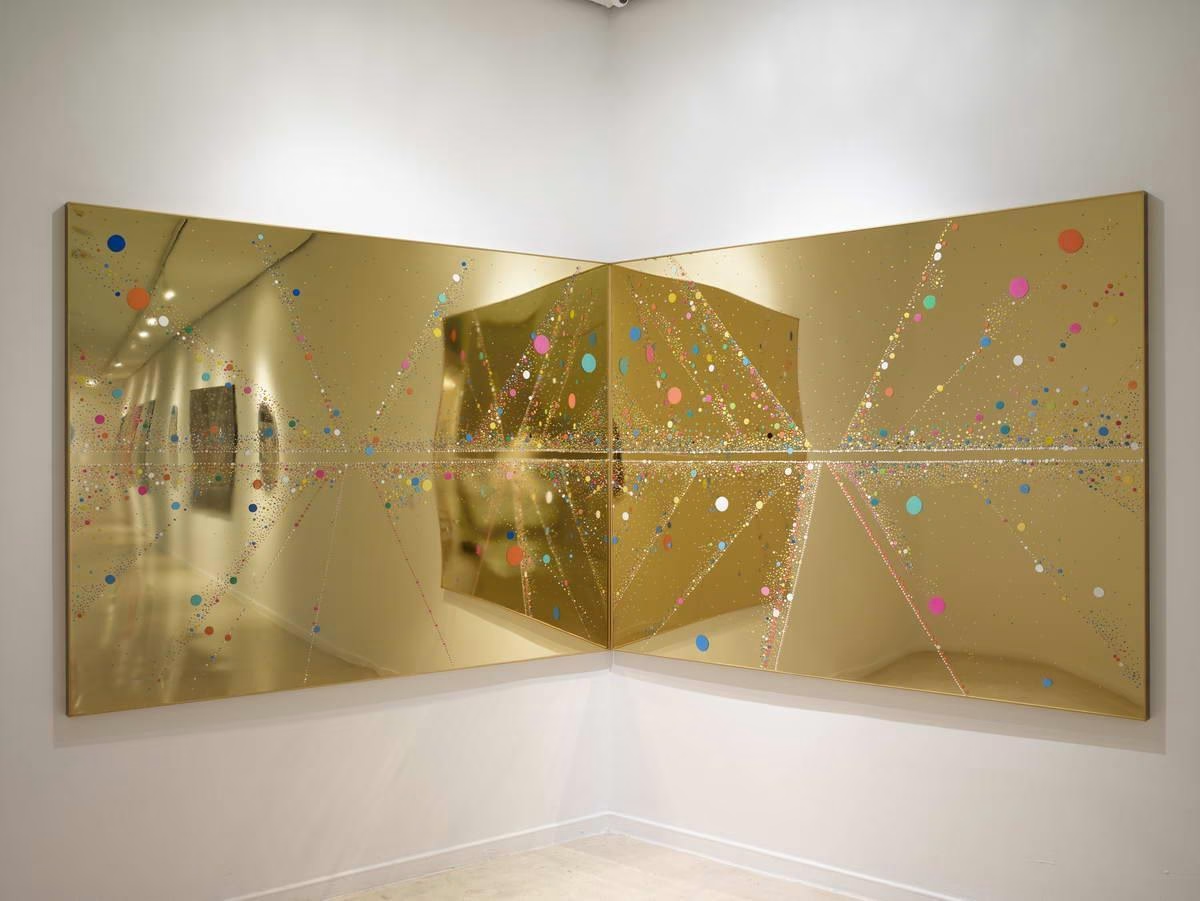
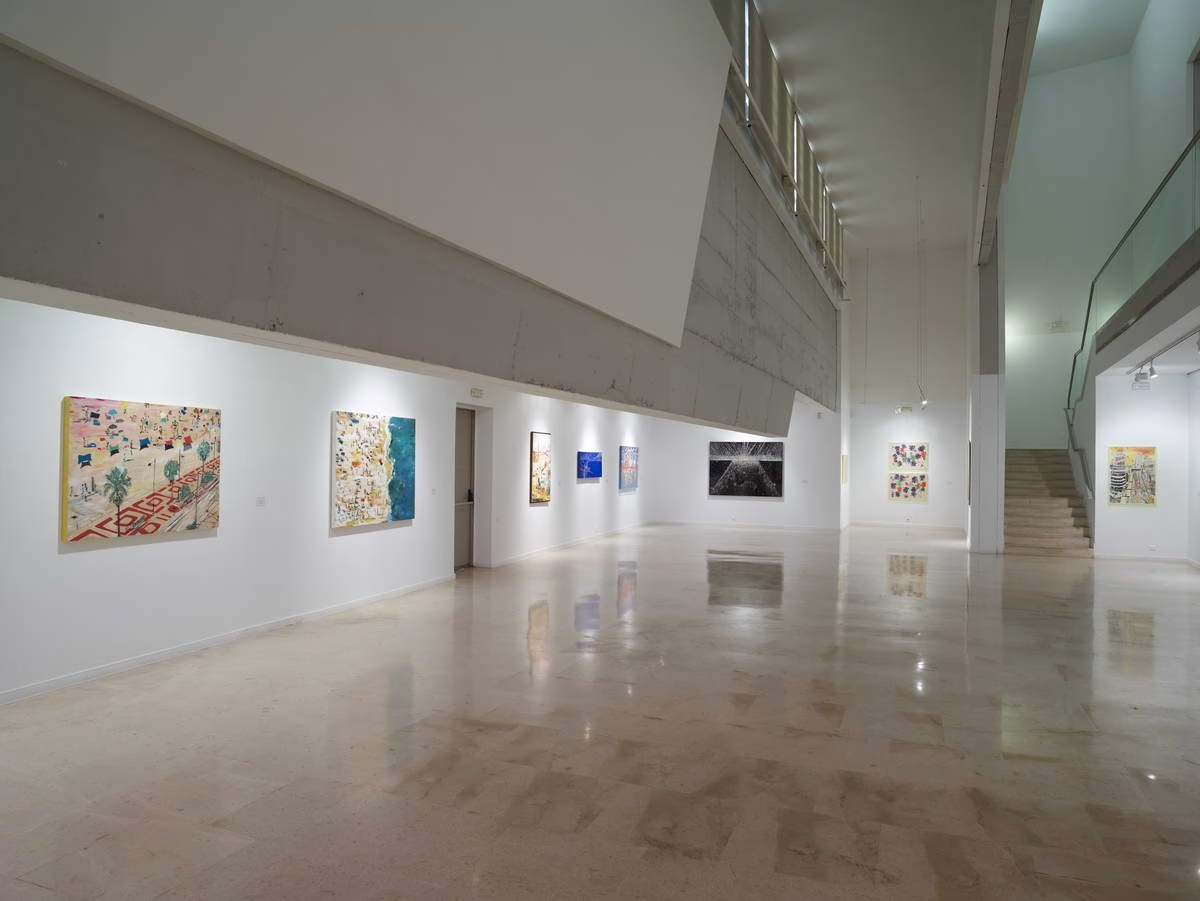
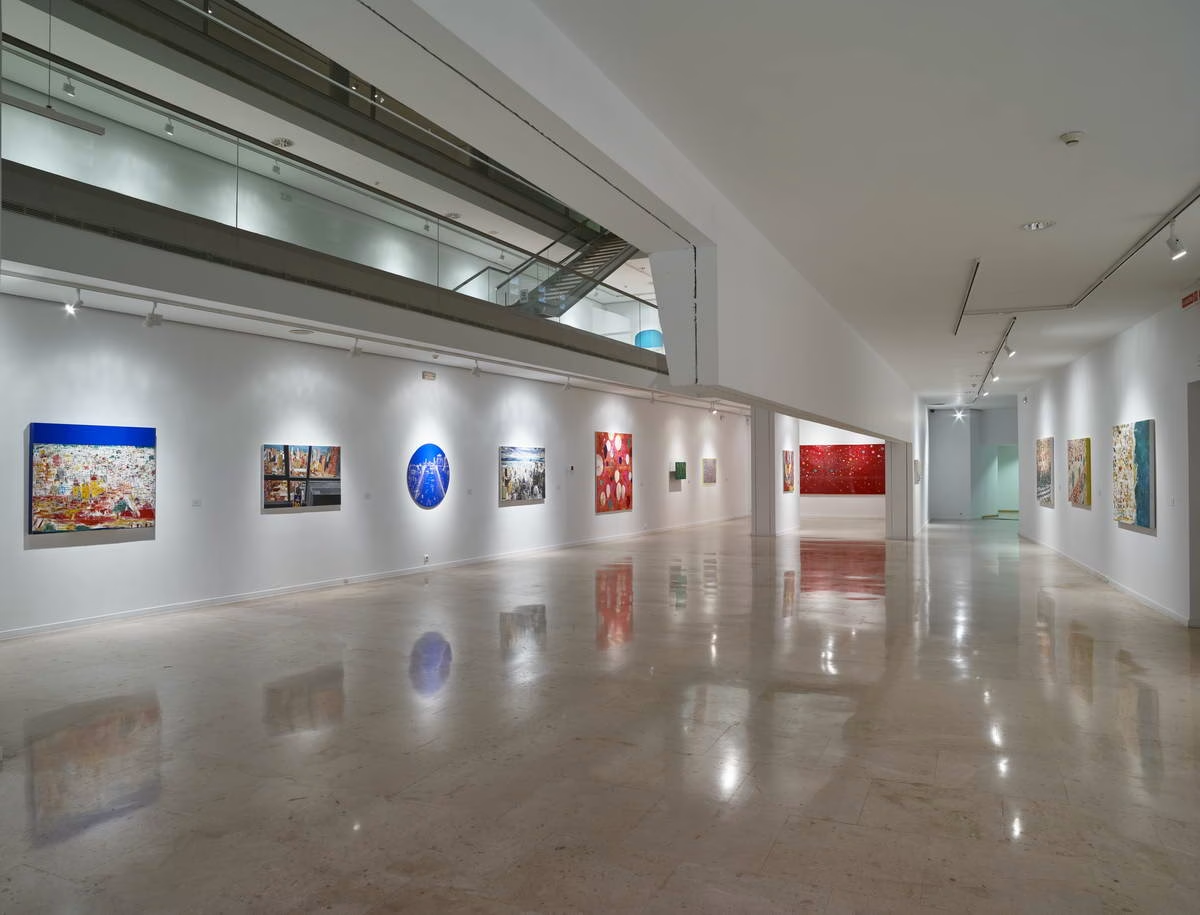
The artistic work of María Egea, a native of Málaga, stems precisely from this fascinating relationship between painting and travel. Her career as a flight attendant has allowed her, over many years, to visit countless destinations and construct a sort of extraordinarily striking roadmap. “Approaches” is an exhibition featuring more than forty works that offers a broad overview of the various creative moments and processes experienced by this artist.
Unlike the way the old travel journals we mentioned earlier were created, this artist’s camera plays a significant role. Perhaps María’s photographic archive isn’t any larger than any of ours; now that we can all take snapshots from our seats on a plane or travel to distant countries, it’s quite common to come across this kind of imagery. Nevertheless, her archive is different. Her view from the cockpit is unique, capturing frontal and nighttime shots of the ground. Landings and approaches to airports in New York, Mexico City, Miami, Bogotá, and South Africa are some of the most frequent subjects captured by her camera. The quality of the images isn’t paramount because this entire visual compendium serves merely as a documentary process for her to later establish lines of work.
Aéreas
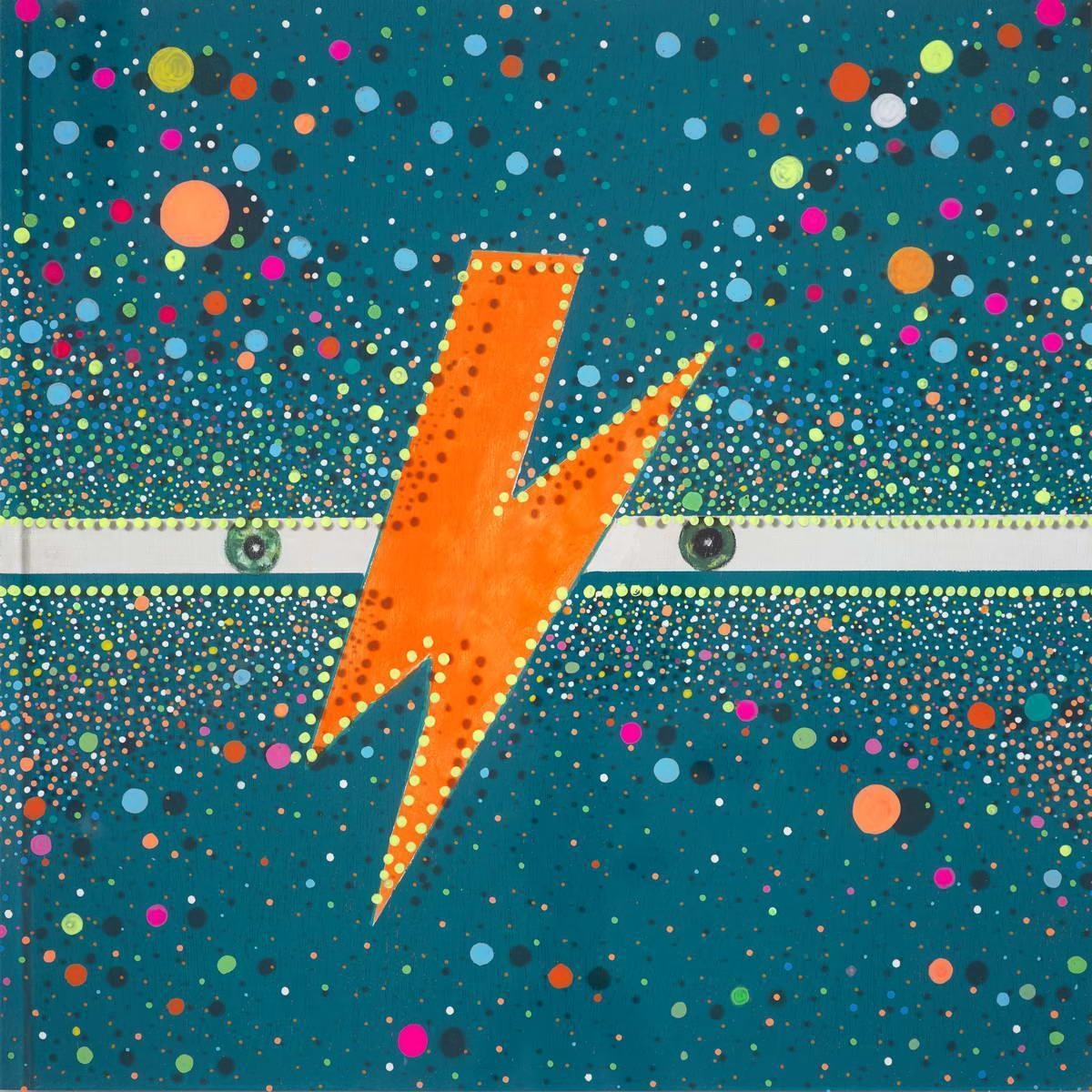
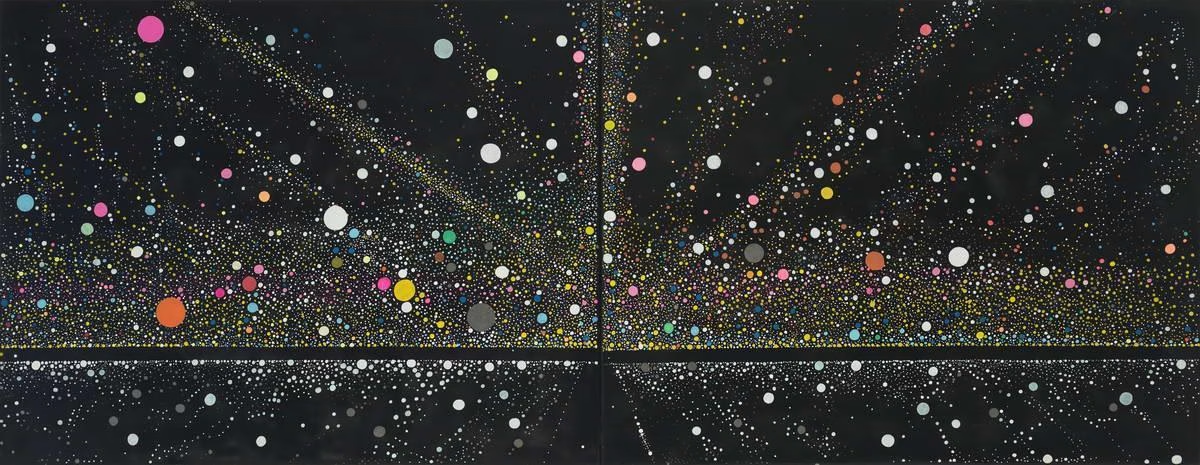
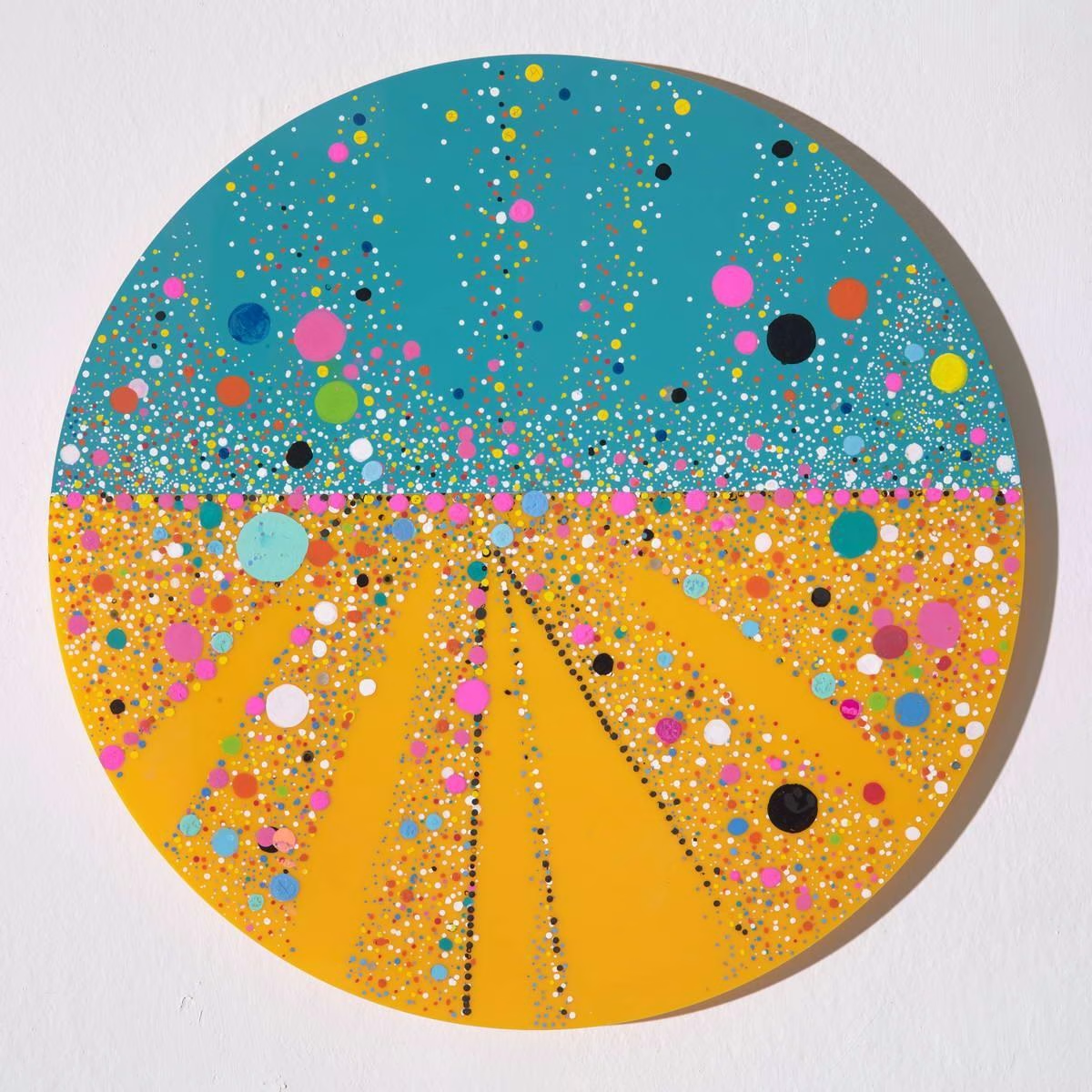
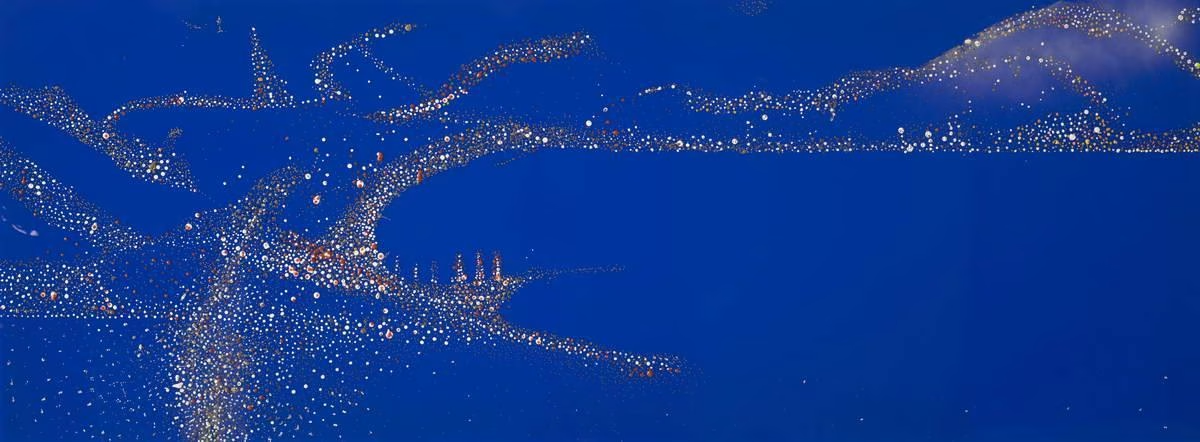
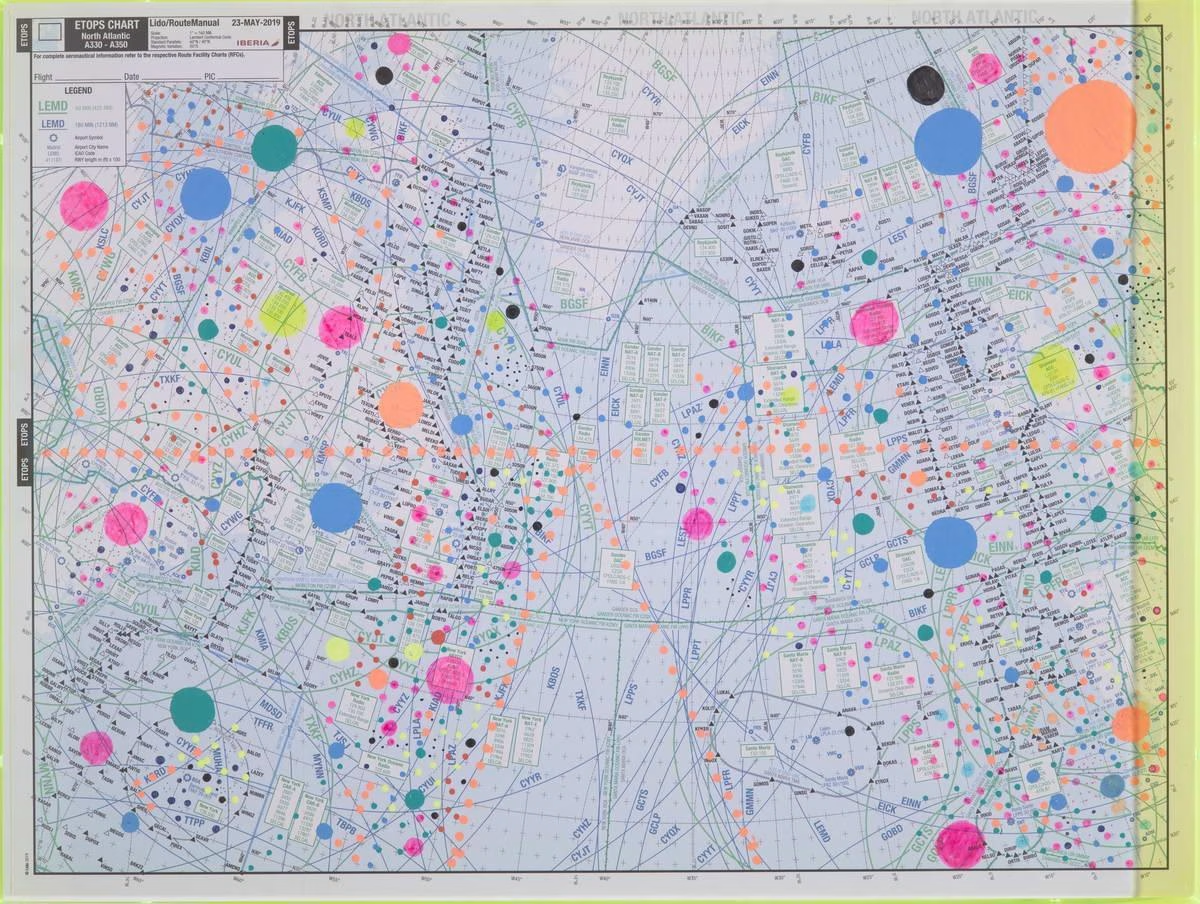
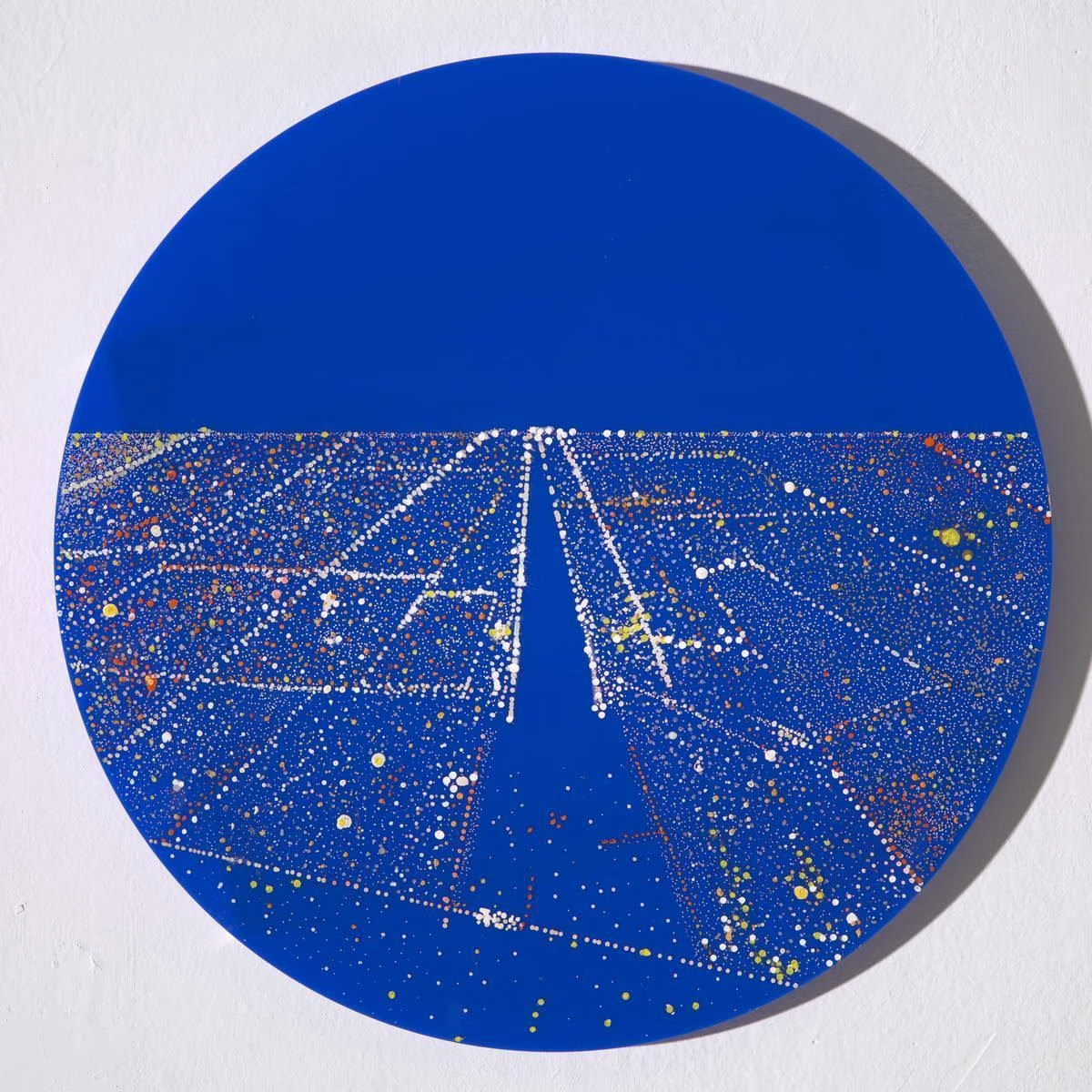
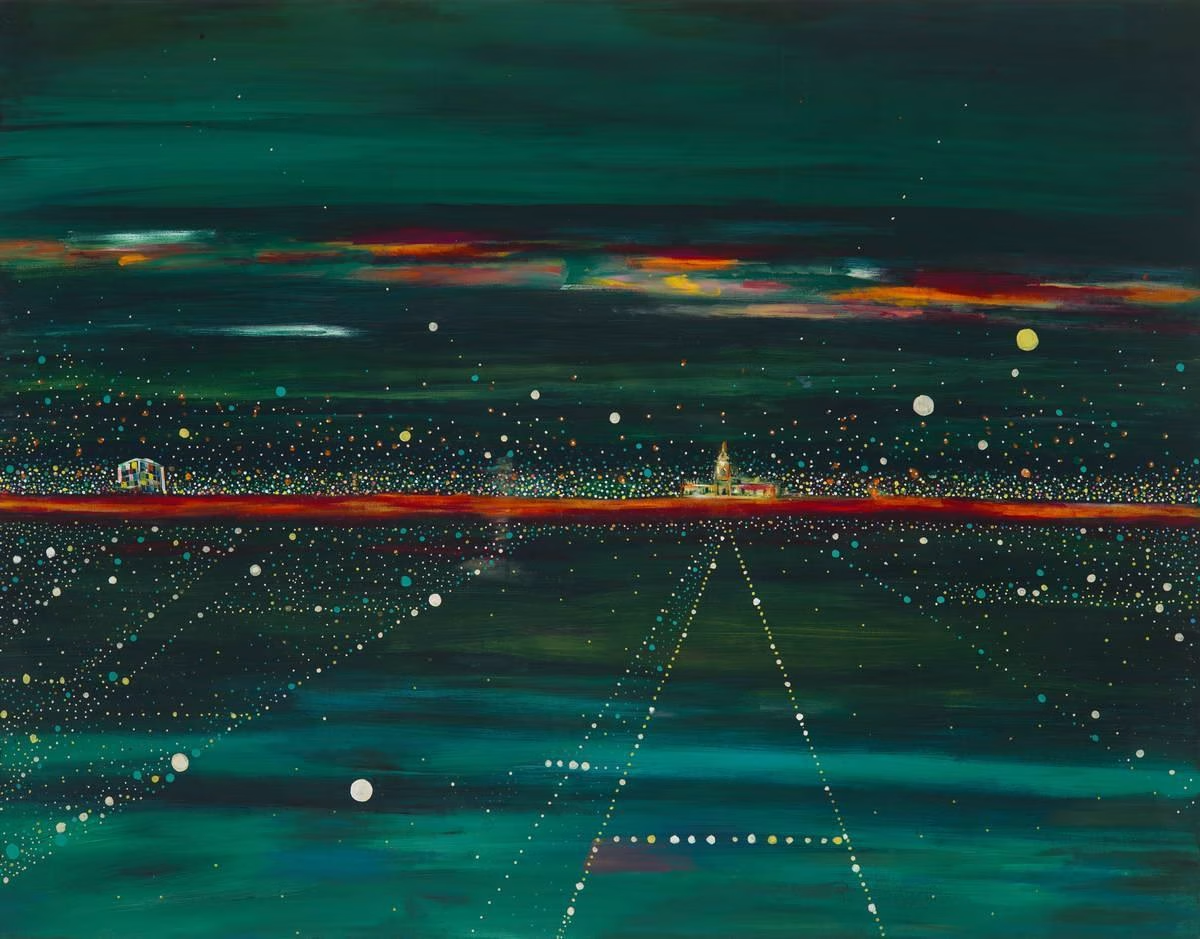
Some of the supports for the works in this exhibition are printed navigation charts, which have long served as a backup for the computer systems used by airlines. These charts show the routes aircraft must follow and provide information on nearby airports in case of mechanical failure, as well as other essential data for the pilot. As the aircraft flies over these areas, the pilot makes a series of fluorescent marks to verify that the flight is proceeding smoothly. It is not surprising that María found them to be a very interesting medium for capturing the lines of dots that can be glimpsed moments before landing. The use of dots replaces brushstrokes and highlights the existence of objects perceived from many feet in the air with the aim of constructing a nocturnal landscape through painting—which does not mean they cannot encompass a wide range of luminous colors, since the resemblance to reality becomes pure illusion.
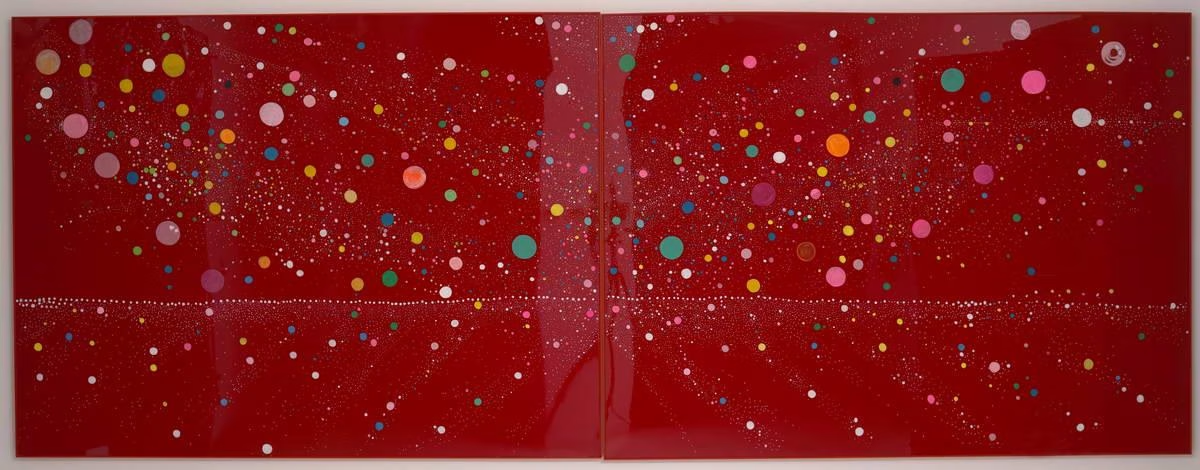
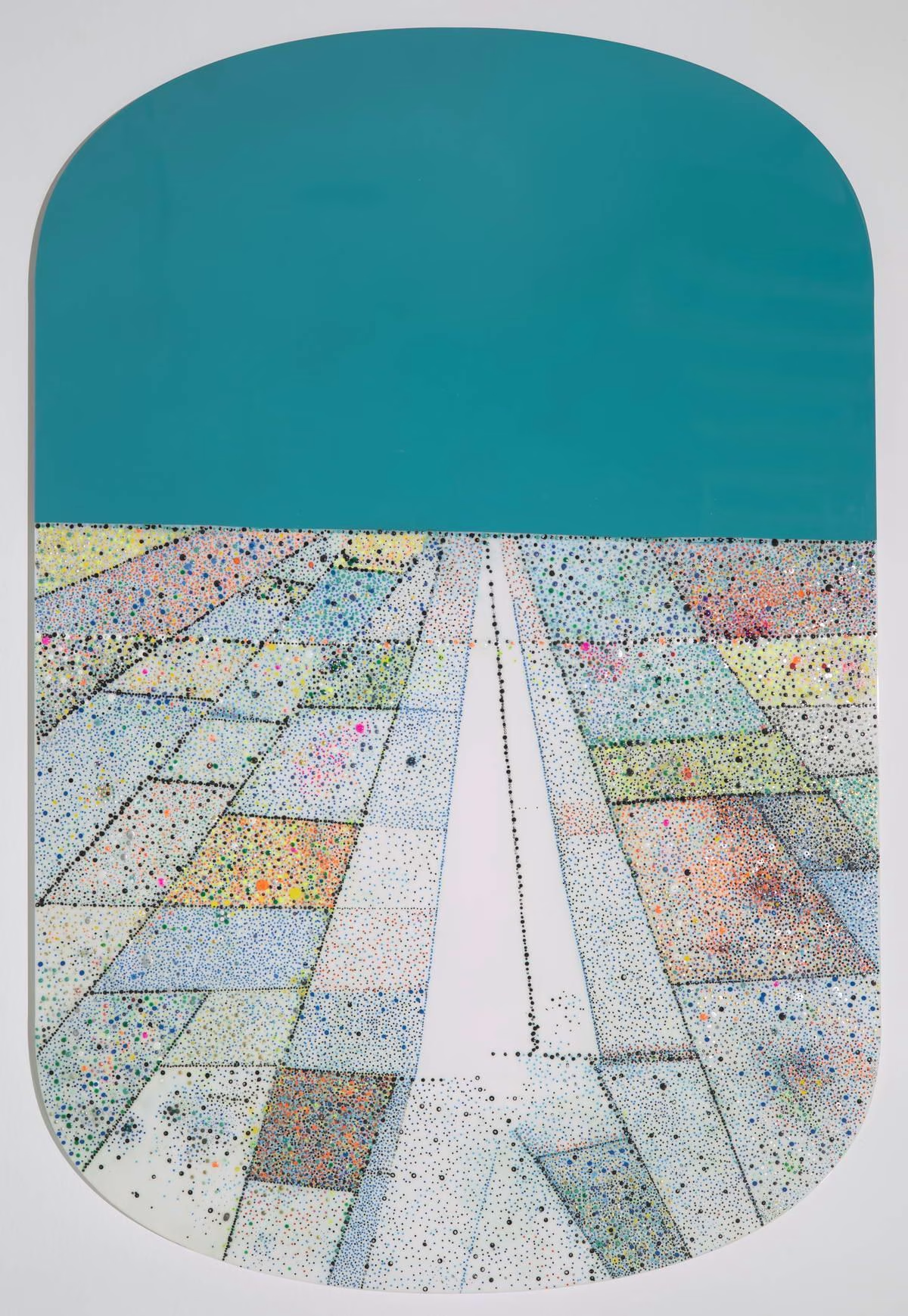
With the completion of these early works, the composition of this type of landscape on monochrome methacrylate began to take shape in parallel. The elimination of terrestrial references in the background made the abstraction even more evident, and it seems that the pictorial possibilities multiplied. Research—both into the support materials and into color on the most superficial layers—intensified, to the point of prioritizing the elements with the greatest weight and significance. Intuitively, I would say—without strict rules or processes—most of the work exhibited here is driven by expressiveness and spontaneity, characteristic of lyrical abstraction. Without getting sidetracked by formal issues, we must keep in mind that the concentration of light in large cities serves as a means for María to delve into notions of infinity and proximity.
The evocative atmospheres he creates prompt us to engage with the landscape through visual stimuli that captivate us and, in turn, fuel his desire to capture and immortalize them in painting. Caspar David Friedrich, a landscape painter of the German Romantic movement, once said: “The painter must not only paint what he sees before him, but what he sees within himself.” Close your eyes and let what you have seen in the darkness emerge, so that others may see from the outside in. With this reflection by Friedrich, we highlight that painting grants us unlimited communicative power, where the intimate dialogue it fosters serves as a driving force for discovery, reflection, and personal learning.
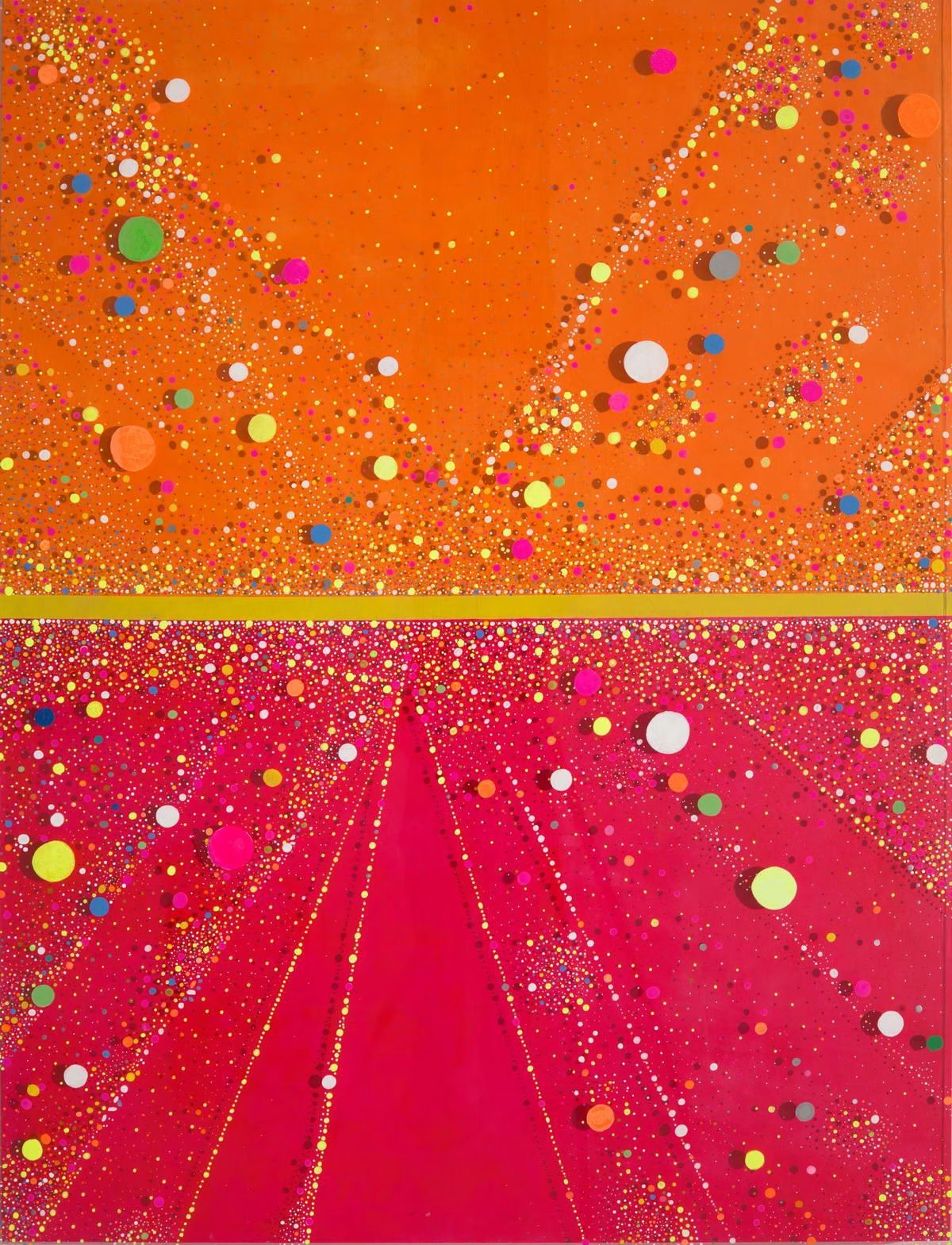
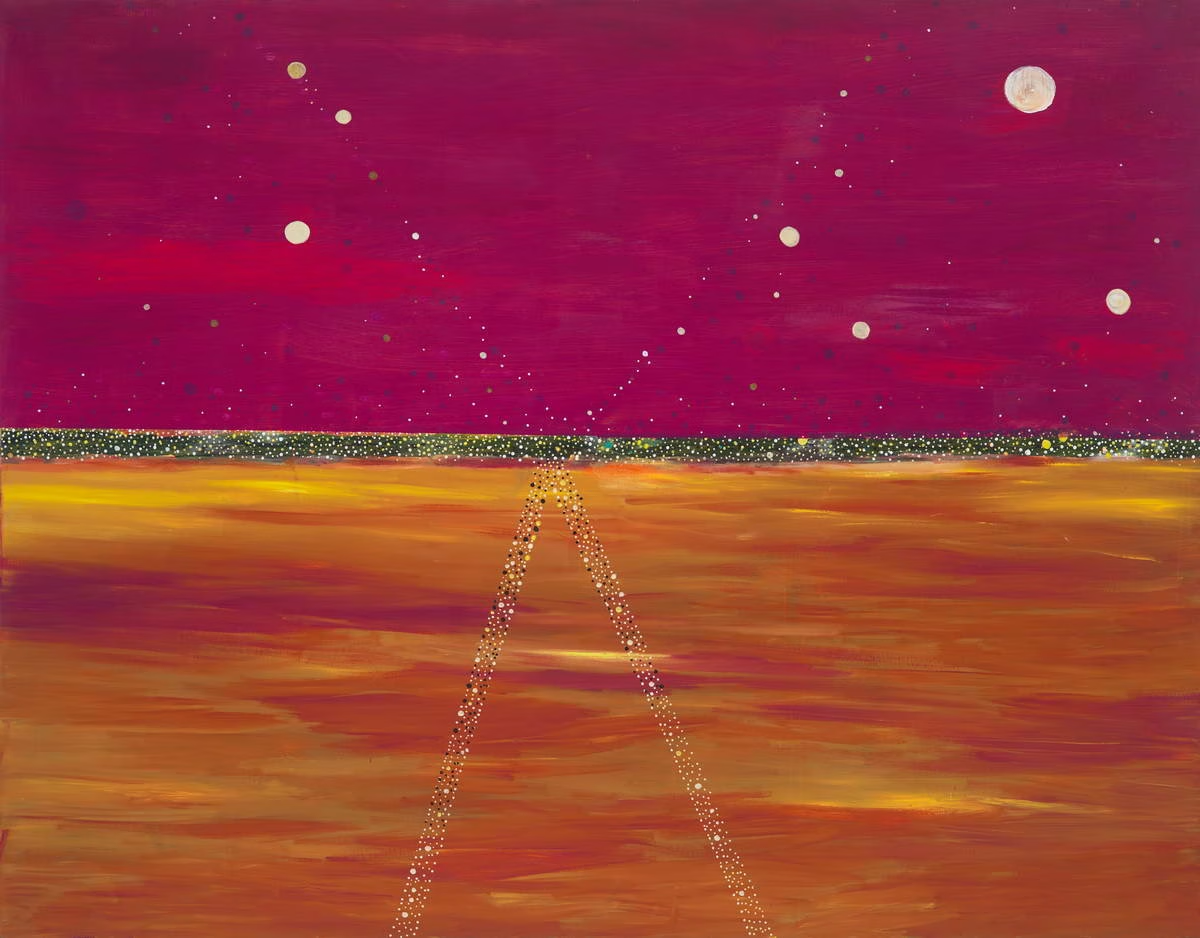
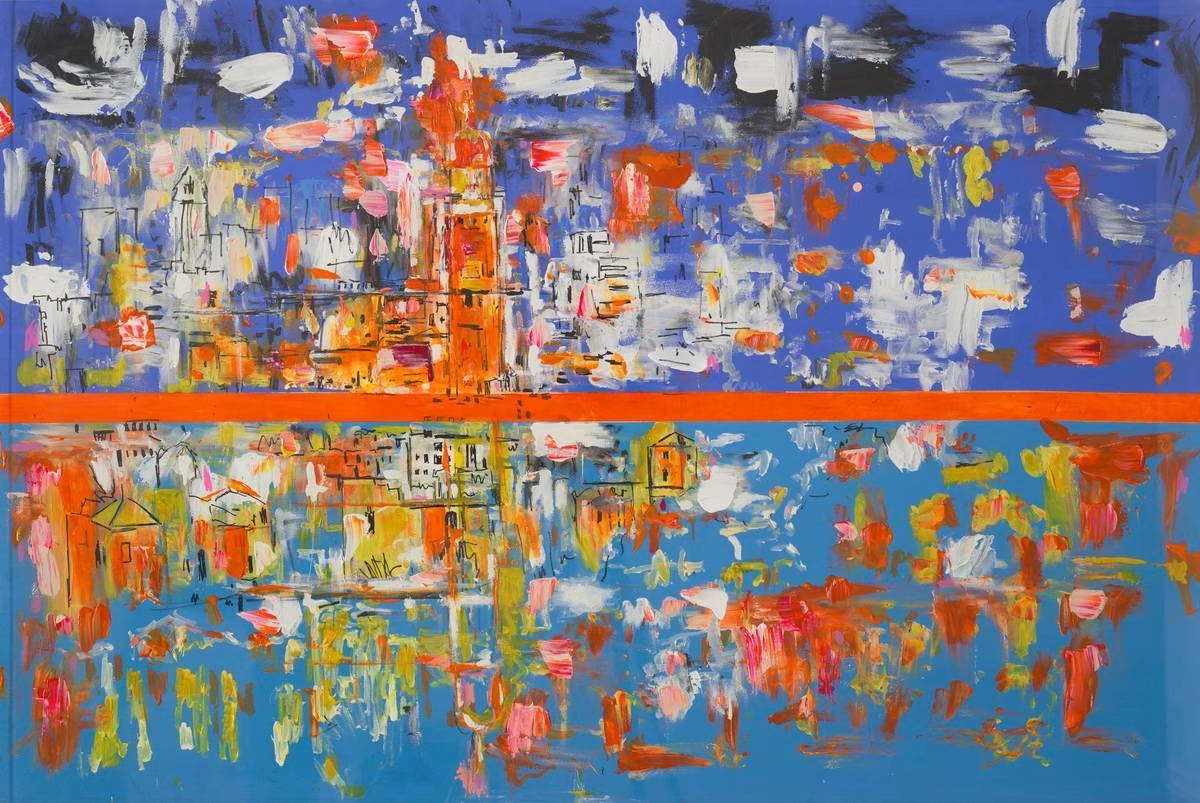
We understand that creativity reflects the artist’s personality—a channel through which their thoughts, actions, and emotions converge. Movement is undoubtedly a crucial element in this Malaga-based artist’s creative process. She is also an artist with a very rapid workflow, and materials are constantly changing to drive artistic progress. Once the glossy finish of acrylic becomes a constant in her work, the artist broadens her interests and begins working on wood, canvas, or photography to introduce new developments in her visual art. Thus, in other works of hers, we see how it ceases to be the primary medium and is combined to overlay backgrounds of colors that are not heavily impastoed but are intense. Some pieces have a single field of color as their base, while in others she has combined two. On the one hand, she explores the expressive possibilities of color in terms of complementarity, and on the other, she defines the dividing line of the horizon. The pictorial intervention is now rendered on two levels: the background is colorful, and the transparent methacrylate captures the dotted lines like a runway. In this series, the approaches have greater depth due to the empty space created between the two materials. With this, María creates an illusory effect for the viewer, as well as a interplay between figurative references and abstraction. We might understand that the purpose of this intermediate space reinforces the idea of silence in contrast to the noise generated by the machine’s engine, while also serving as an insulating chamber between the chromatic vibration and the crystalline enclosure. It may seem paradoxical how the experience of night vision remains present and is even reinforced by the conscious use of light and large formats. In light of these reflections, we might draw upon some passages from a 1938 text in which Rothko evokes the “ability to see things and events as if they were manifesting themselves (…) for the first time, freed from the sediment of habit and convention.”
Urban
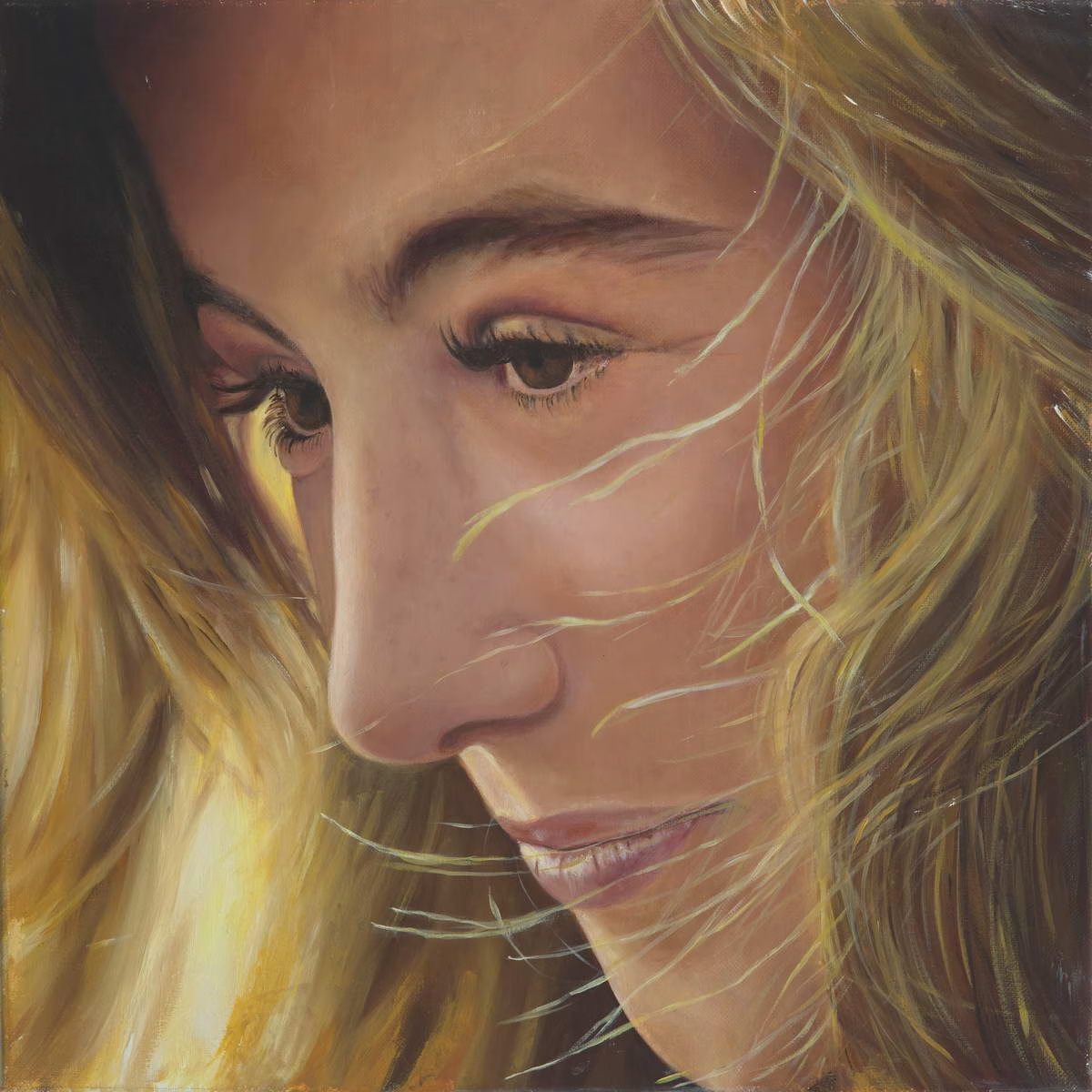
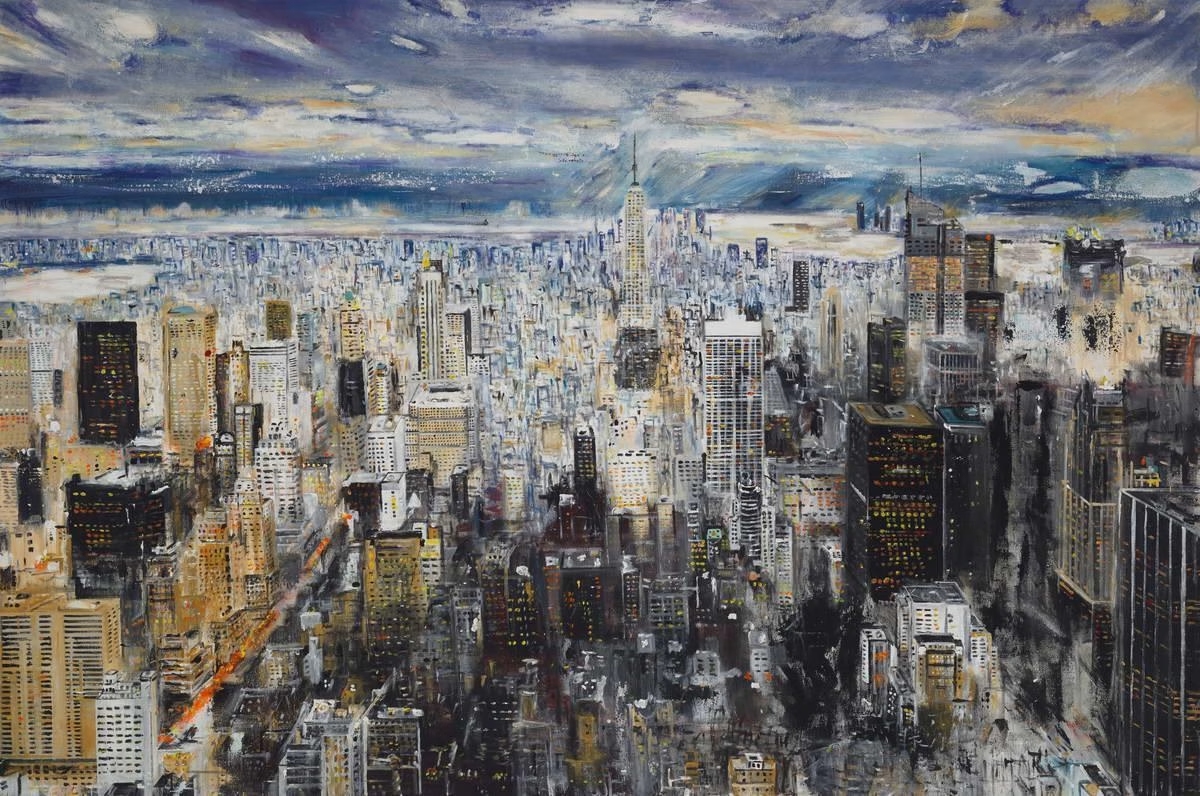
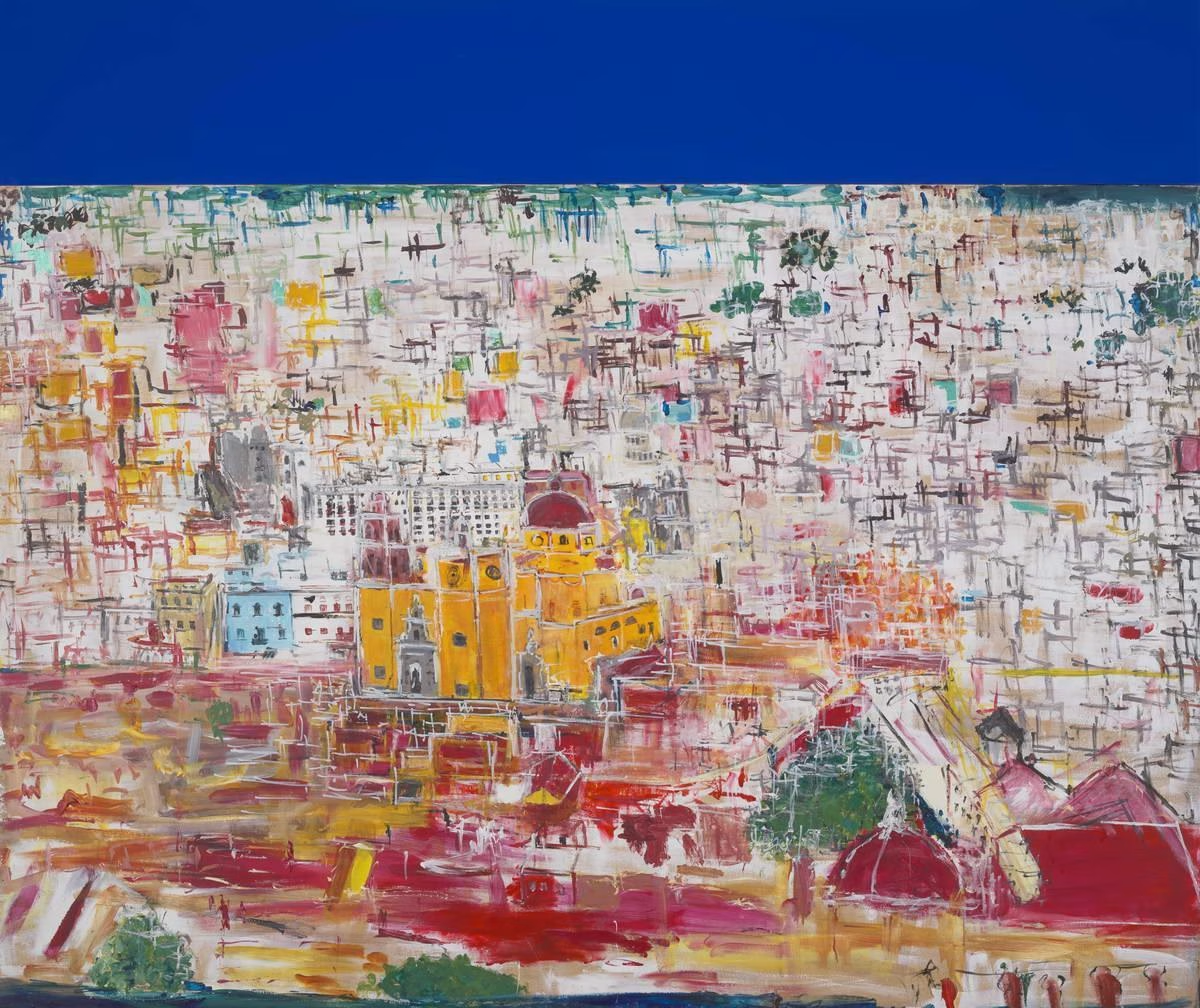
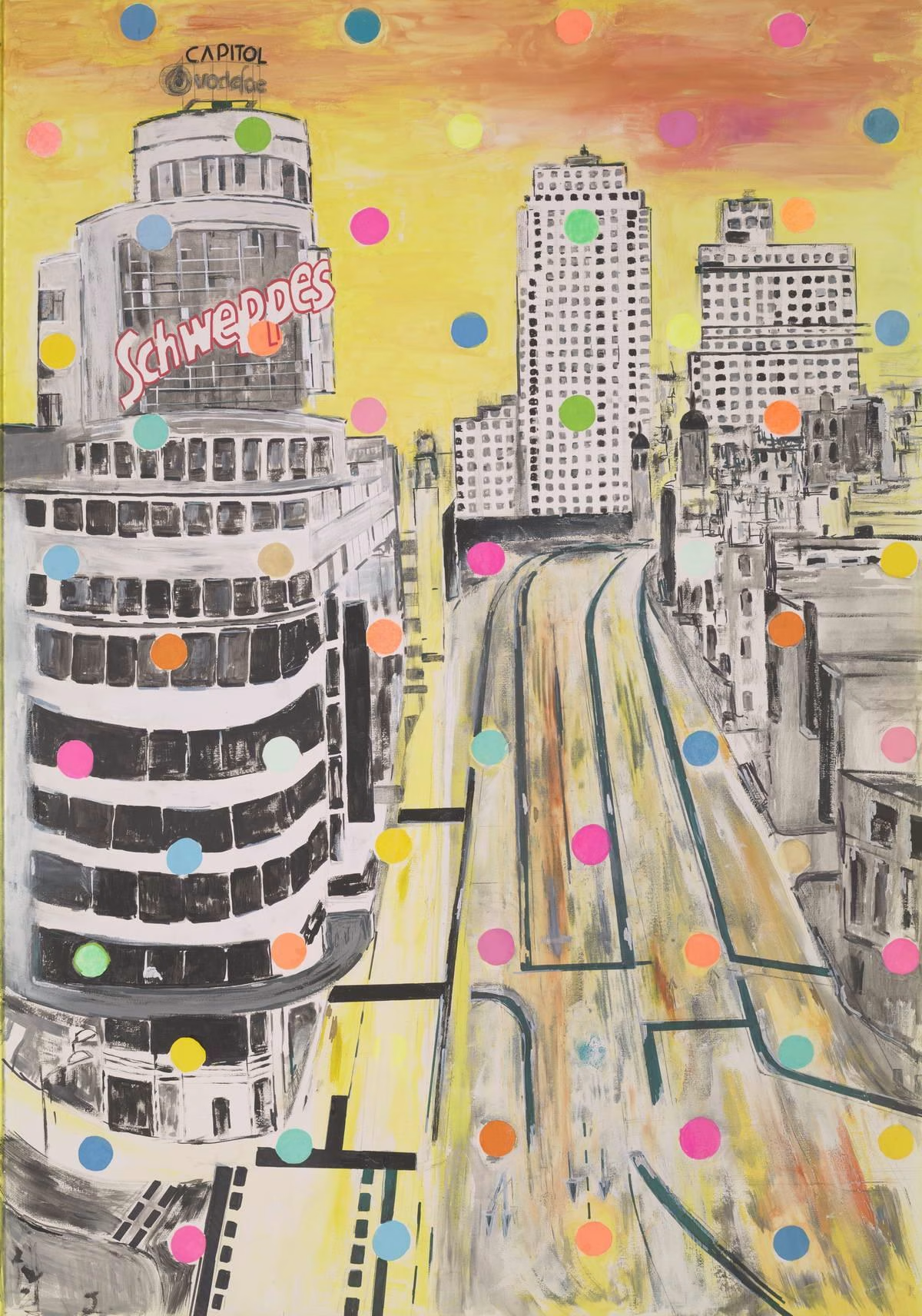
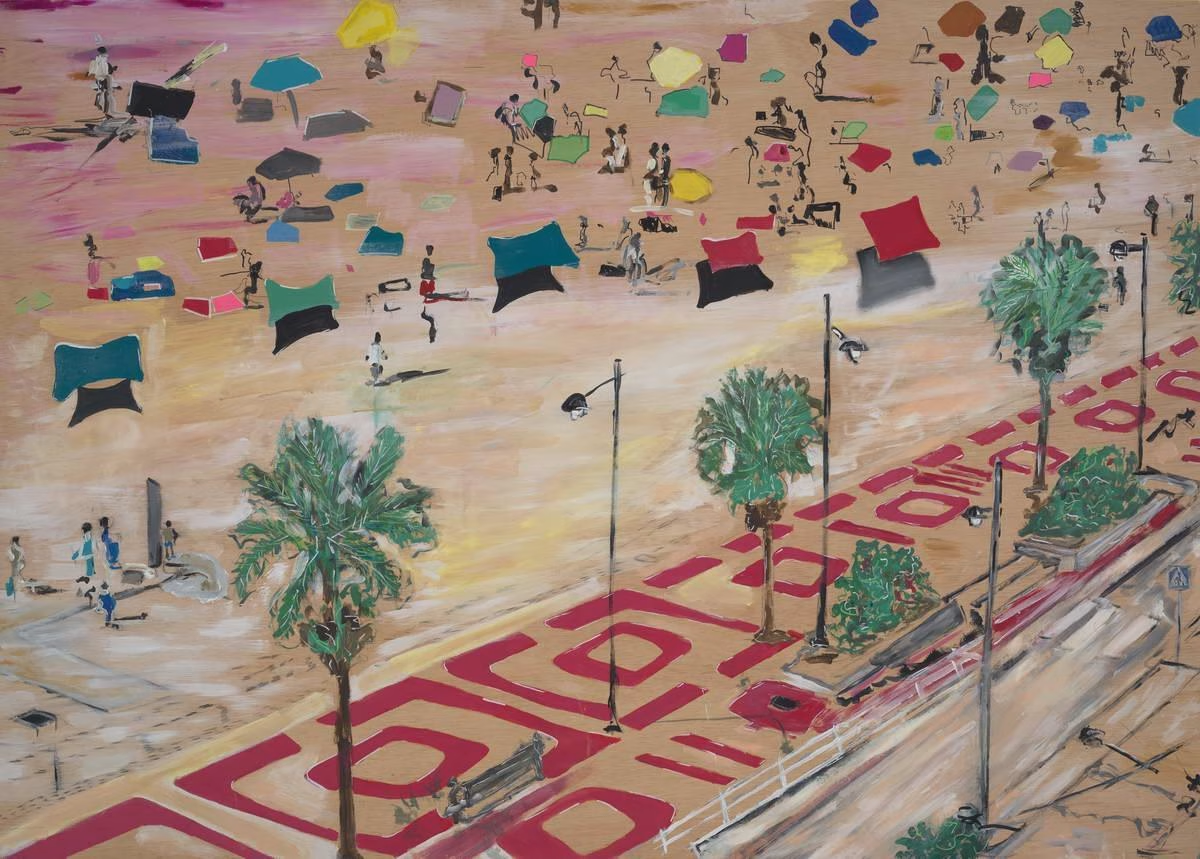
The artist’s interests, inspired by her travels, also give rise to different artistic approaches. Unlike aerial perspectives, these approaches focus on architectural elements, buildings, streets, and open spaces in cities. From a general perspective, we can say that the main references when creating a pictorial work are contemplation and the use of imagination to produce landscapes through the senses, thereby recreating new environments. Needless to say, building on this starting point, María explores her vision of reality through fantasy and a personal perspective, thereby representing her moods. E. Cioran (1911–1995), the philosopher associated with the Cynics, asserted that one sees more with closed eyes than with open ones.
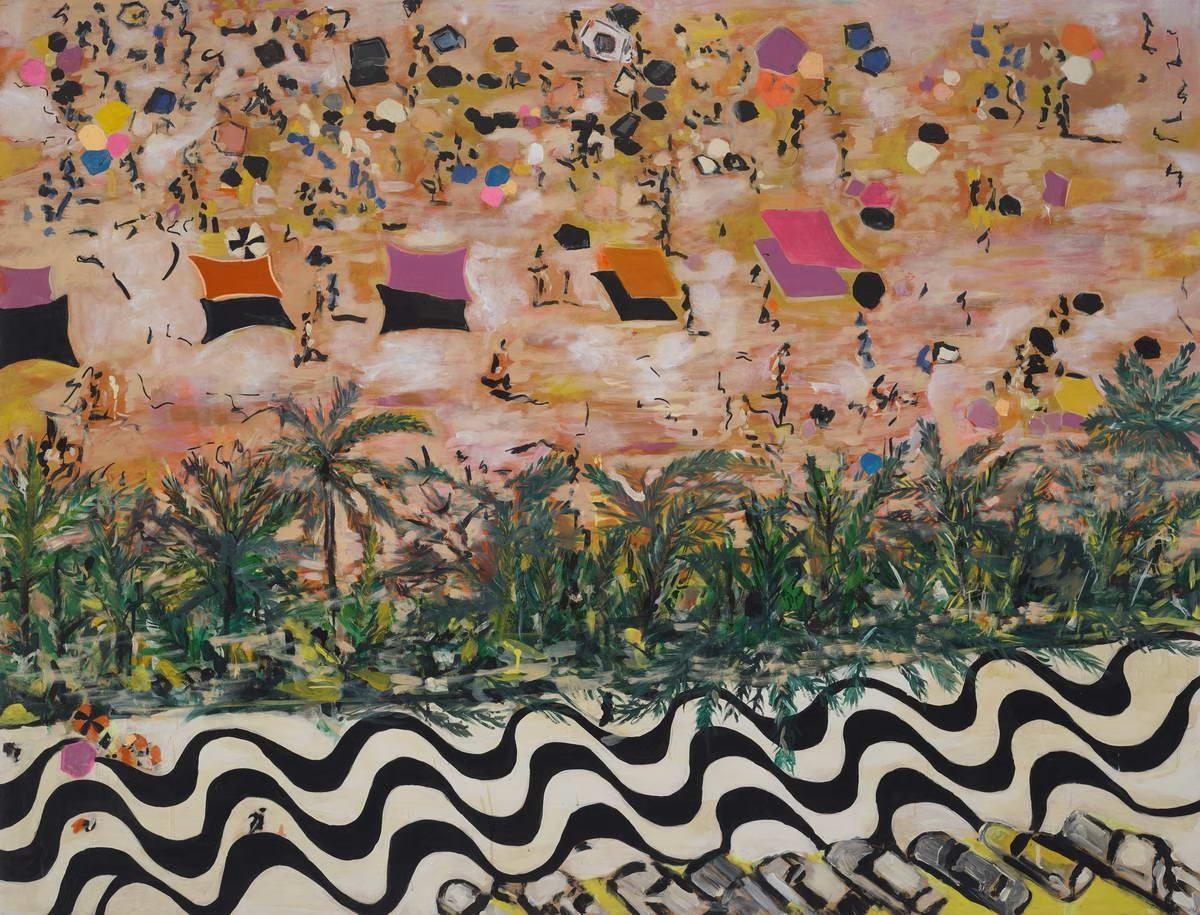
As for the formal elements the artist uses to construct her unique urban landscape, we can highlight: the treatment of perspective, the composition, and the use of color. However, as we have already discussed, these elements are consistent with the experimental approach of the aerial series, even though the figurative elements are now more evident. We all know that perspective is what makes it possible to visualize space. In the case of this series, it seems to me that she pays little attention to academic structures, and true to her style, her approach strikes us once again as intuitive. The artist’s personal language emphasizes subjectivity over an objective foundation, demonstrating that the images she collects in her memory are susceptible to alteration. Composition is another issue resolved without criteria of fidelity, in search of a more exciting feeling that evokes an almost dreamlike sensation in the audience, just as the superimposition of volumes fragments the composition in favor of spatial openness. There are few pieces in which María brings the city’s characteristic colors into her paintings; generally, iridescent tones dominate—see, for example, the American skies and Brazilian beaches. Likewise, geographical destinations are often recurring, and she is fortunate to visit them at different times of the year, so her experience is shaped by the space-time connection.
In my opinion, light is crucial to any artistic discipline—be it architecture, sculpture, or painting—and, consequently, how it is handled shapes the viewer’s sensory experience. The aerial approaches are more experimental in terms of materials and, most importantly, the concept of light they embody, ever since María inverted the “nocturnal” effect and the bright flashes of runway lights began to flood the paintings. Thus, gradually, the notions of day and night have dissolved into an exercise executed with complete freedom. However, in the urban landscapes, the interplay of light and shadow enhances the three-dimensional effect; the settings benefit from short brushstrokes, and the nuanced tones create a vibrant atmosphere.
Influences
As Diana Vreeland once said, the eye must travel, and María’s eyes have been doing just that for 30 years. Traveling has many benefits, but let’s face it: visiting the world’s most iconic museums offers a first-hand glimpse into the cultural and artistic landscape. And of course, it’s not just about visiting museums; it’s also about immersing yourself in local cultural activities, exploring the contemporary art fairs held in Miami during December, or skating down Sunset Boulevard. What I mean by this is that any experience can be stimulating and, in hindsight, can be used in our creative process. Sources of inspiration can be many and varied; books, films, and exhibitions of all kinds can give us that spark when it comes to creating. It should come as no surprise, then, that María treasures catalogs from countless international exhibitions in her studio.
We can draw visual parallels between her work and that of some of the most renowned artists in art history. Dots of color have been and remain a constant in María’s pieces, making it impossible not to recall the popular Yayoi Kusama or the great Sonia Delaunay. It is the latter whom we will briefly examine to understand that color and light are an inseparable combination—just as much as they were for her, as they are today for the artist from Málaga. In 2017, the Thyssen-Bornemisza National Museum hosted the exhibition titled Art, Design, and Fashion, the first monographic exhibition of the French artist in Spain, which marked a turning point in her future artistic interests regarding the treatment of form and chromatic research. As has been well written about Delaunay, “She developed her own style based on Simultaneism, which plays with the sensation of rhythm and movement caused by the simultaneous contrast of colors, since a given color influences the colors surrounding it.” The approaches presented in this catalog offer a personal reexamination of these concepts, understanding that they are formulated from a different context. The contemporary context can link rhythm to the way we relate to the territory, and the way María synthesizes color and light seeks to heighten the perception of the current landscape.
It would be impossible to list all the artists María has encountered thanks to the places she visits. Turner, Feito, Willem de Kooning, Kandinsky, Blossfeldt, Matisse, Frida Kahlo, Okuda, and Pollock are just a few that come to mind. The MOMA, the Jumex Museum, the Art Institute of Boston, the Whitney Museum, and the MCA in Chicago are all must-see destinations during her stays. Biennials, retrospectives, performances, and installations enrich her knowledge and, consequently, her work—not only in terms of content and form, but also because the curatorial criteria of expert curators shape our aesthetic experiences, sparking both interest and understanding.